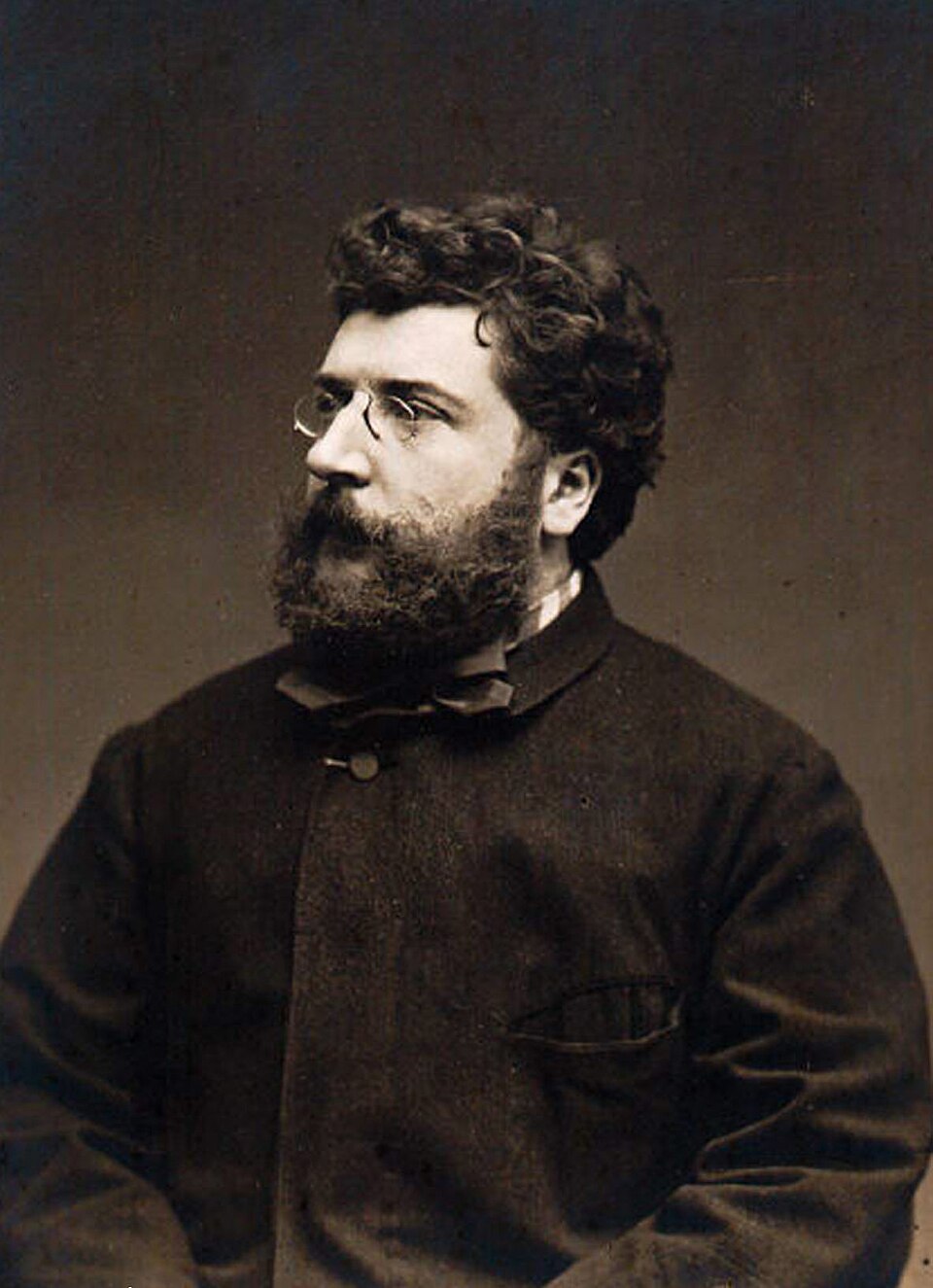
1867: Georges’ Valentine

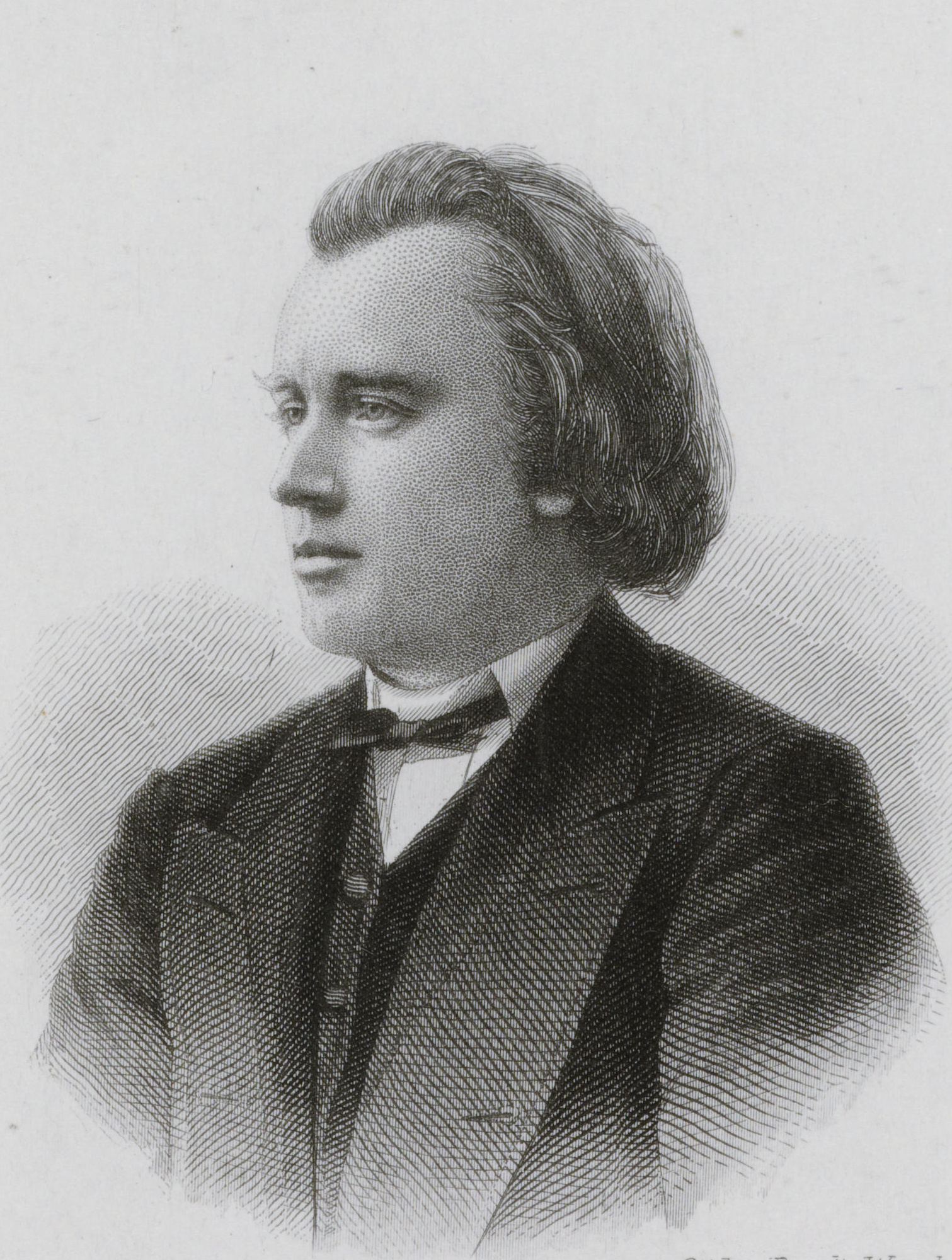
He was a man who might have made a career writing light operetta. He could play the piano as well as Franz Liszt. He wrote a remarkably accomplished symphony aged just 17. But Georges Bizet could also be strangely diffident about his talent and conceal it like a guilty vice. He was one of the most naturally gifted musicians who …

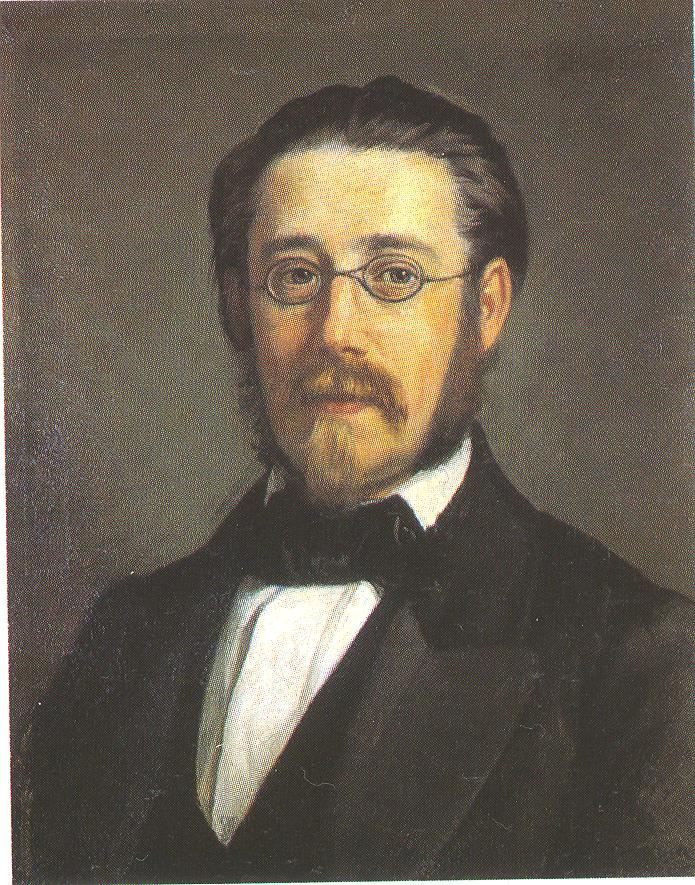
1866: Bedřich’s Bride

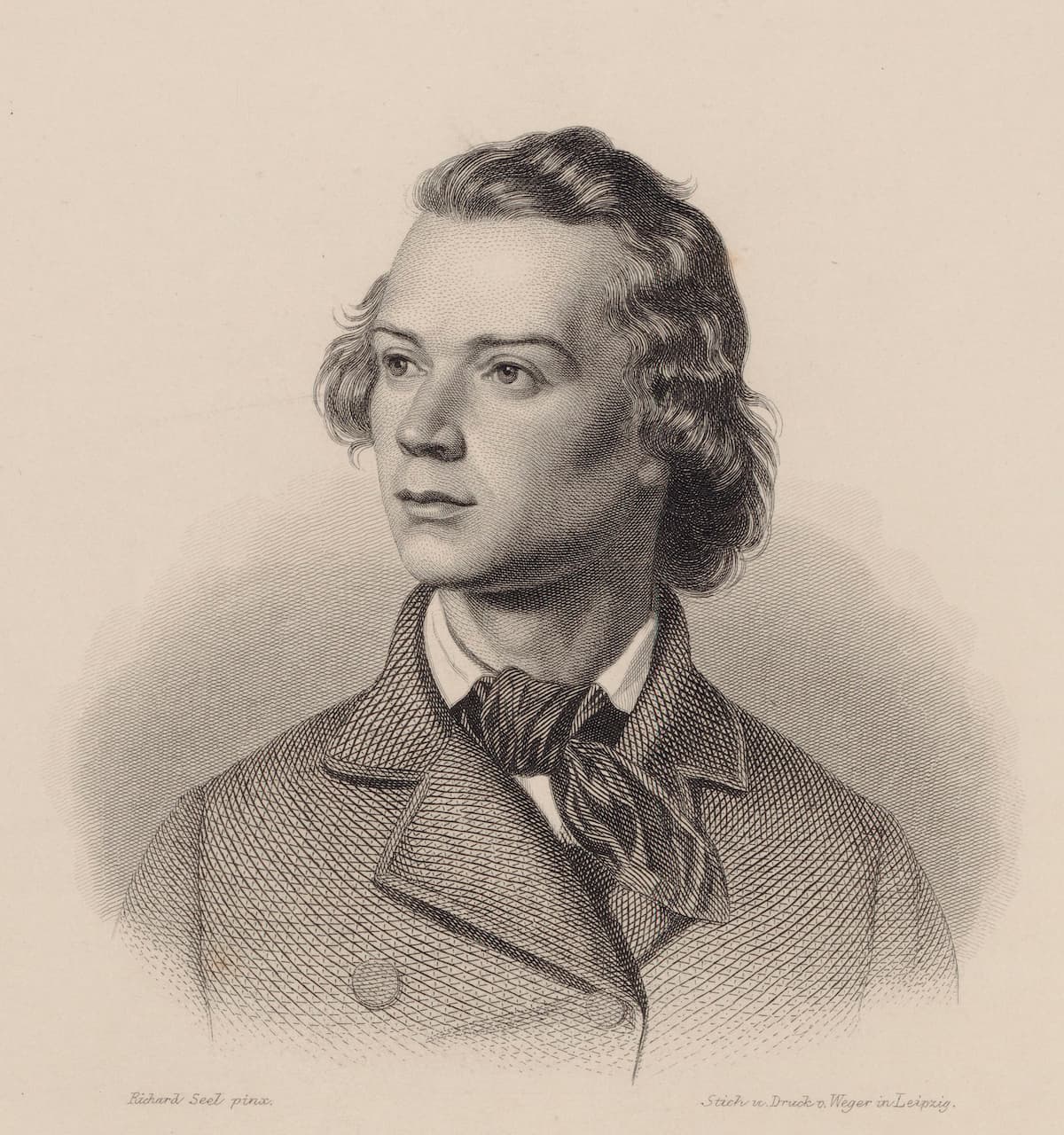
He is often called “The Father of Czech Music” and yet for much of his life Bedřich Smetana took musical inspiration from beyond his homeland. He also did not learn to speak his native tongue until he was almost 40 years old. His career was diverse and somewhat uneven, as he drifted for many years between teaching, performing …

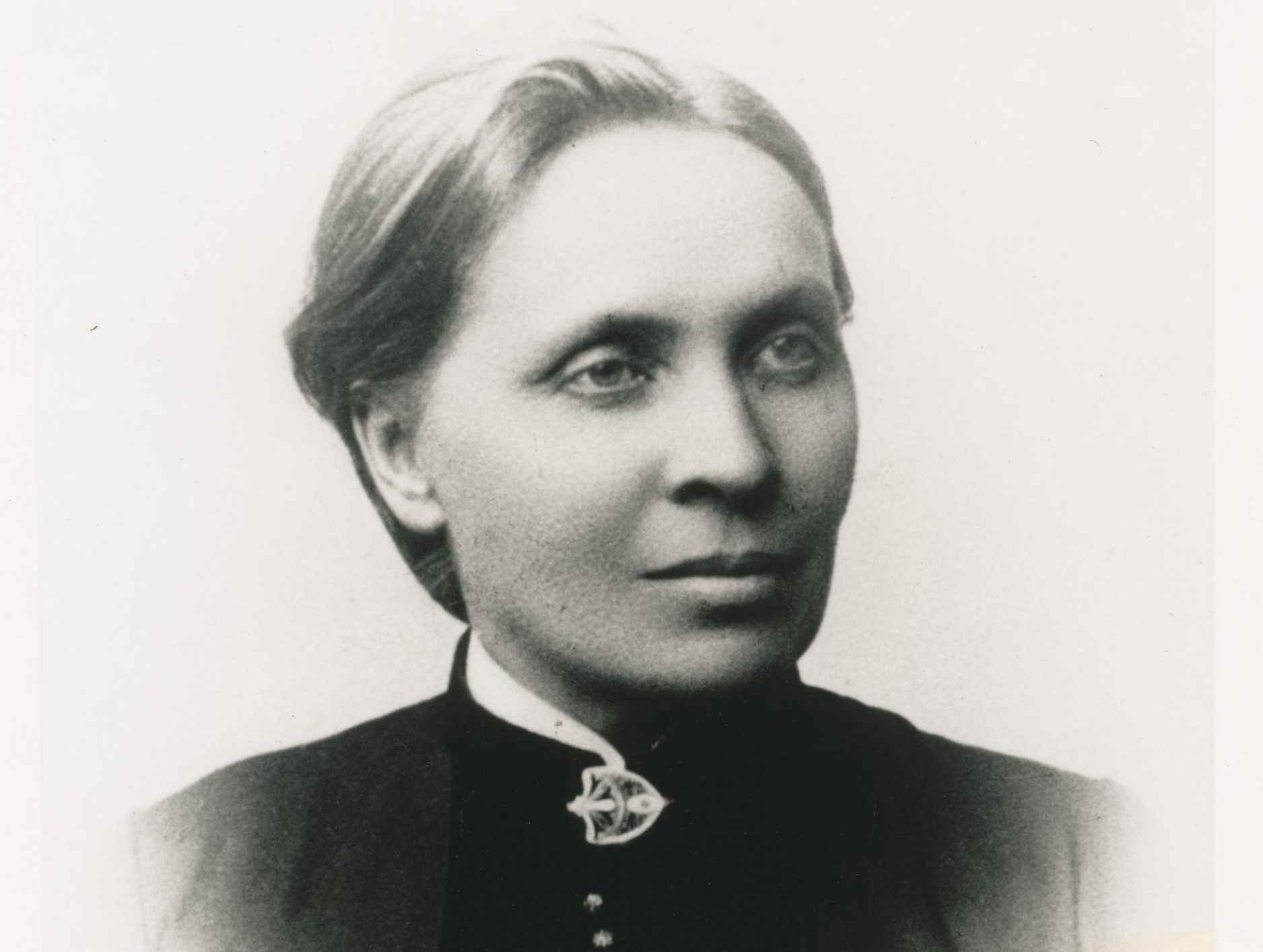
1865: The Great Disruptor

In an era when women weren’t supposed to play church organs, compose symphonies, or express political opinions, Elfrida Andrée did all three – while also moonlighting as a feminist agitator and Sweden’s first female telegraph operator. She battled Sweden’s Parliament to change laws that restricted women’s employment rights …

1864: An American in Paris

William Henry Fry had a low opinion of American music and a correspondingly high one of himself. “Music is at a miserably low ebb in the theatre and concert room,” he once said of his homeland. He bemoaned America’s general musical illiteracy, claiming there were “not twelve persons in the twenty four millions in the United States …

1863: Sins of Old Age

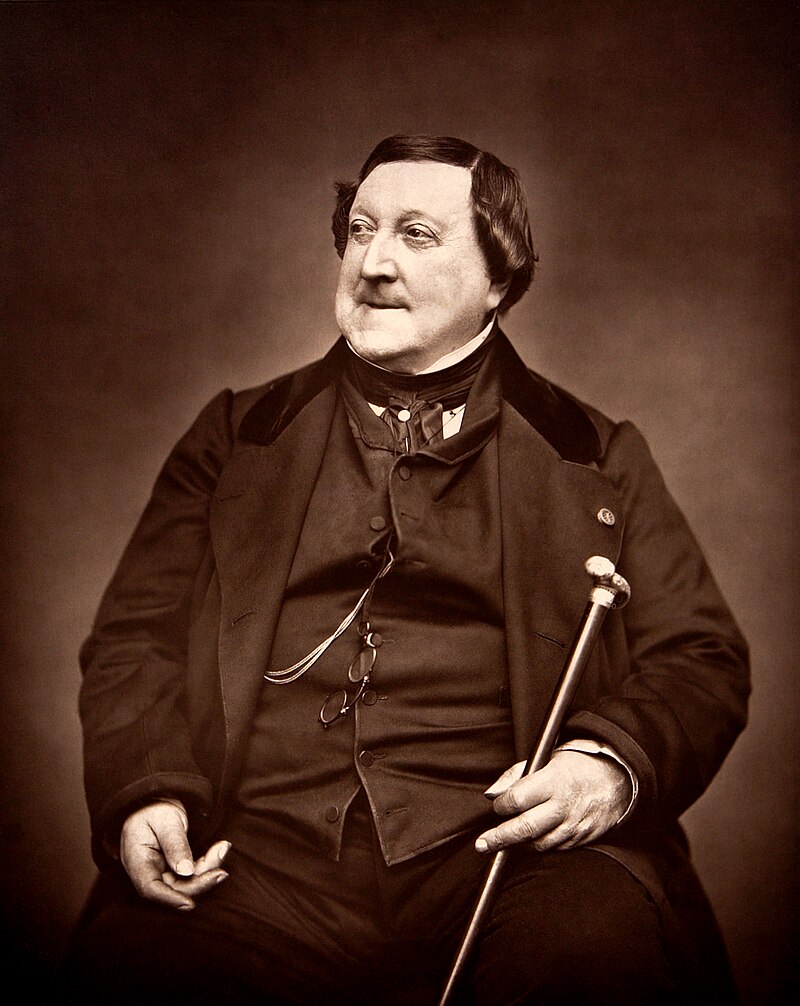
In the 1820s, Gioachino Rossini had been an unstoppable force of nature, turning out brilliant and vibrant operas at a mindboggling rate. His opéras bouffes in particular had set a gold standard for the rest of Europe. But then, not long after completing his masterly Guillaume Tell and still well short of his fortieth birthday …

1862: Ghosts and Gambling

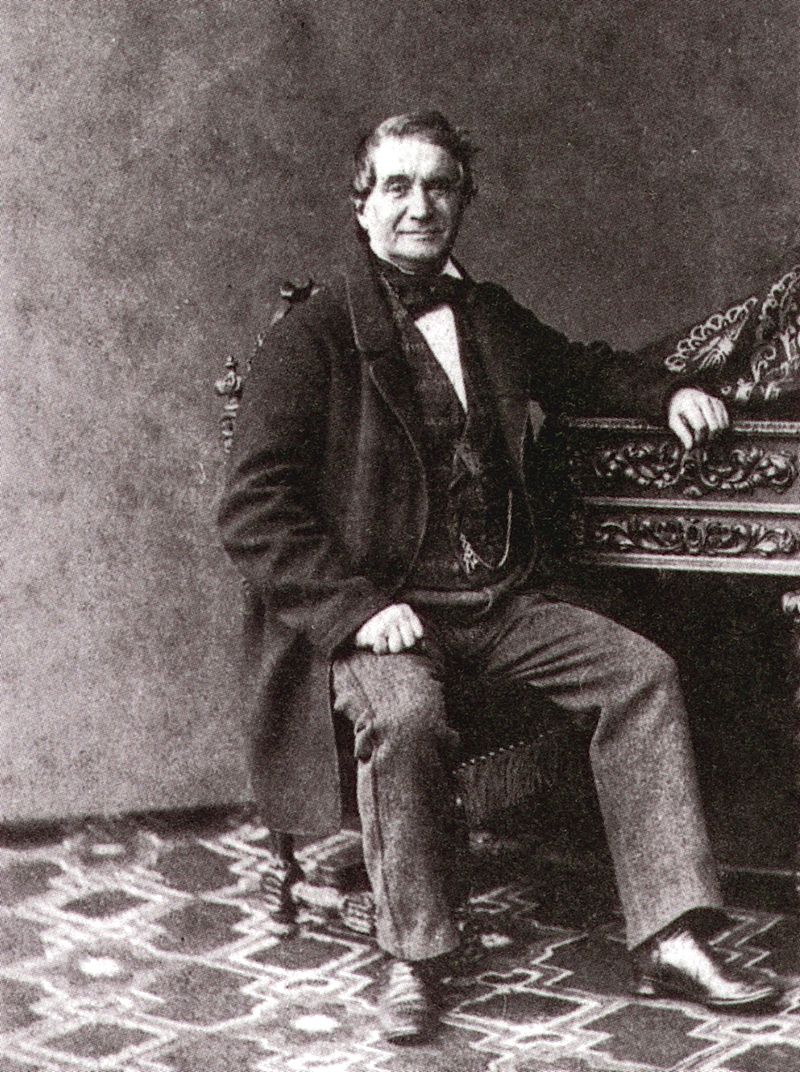
Cesare Pugni was a highly accomplished composer of ballet music who never quite mastered the rest of his life. Supremely talented as he was, he was prone to destructive habits and very good at blowing up his career from time to time. Where he succeeded, he often did so in spite of himself …

1860: Old School in Leipzig

Musical fashions can be as fickle as authoritarian regimes, especially if you’re a composer. One moment your name is everywhere, everyone wants a piece of you and you are feted as an integral symbol of the zeitgeist. Then a coup d’etat swings by and switches government, and suddenly you’re out in the cold …